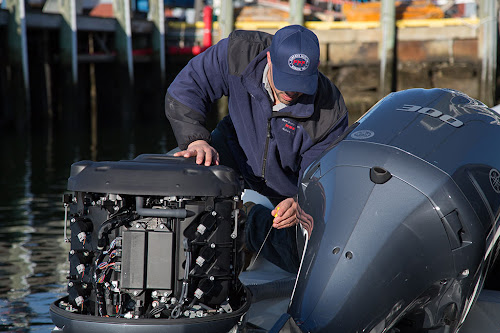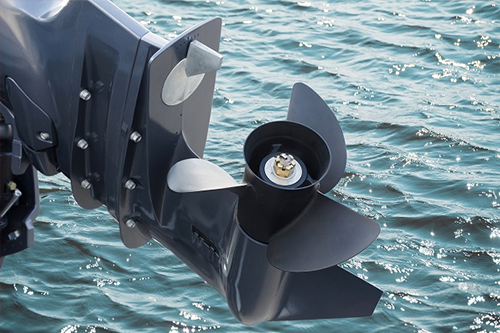
If you’ve noticed your outboard motor overheating, it’s not just frustrating—it can also lead to bigger problems if left unchecked. Keeping your boat’s engine cool is crucial for smooth performance and durability. But it’s time to act when that temperature gauge starts creeping up or a warning light flashes. Understanding why your outboard might be overheating and knowing how to fix it can save you from costly repairs and, worse, being stranded on the water. This article will discuss the most common causes of overheating, what you can do about it, and how to prevent it from happening again.
Clogged Water Intake Can Block Cooling
A clogged water intake can prevent the process of cooling. A clogged water intake primarily causes overheating of an outboard. For outboards, water drawn from the lake or ocean does the engine cooling, therefore, when something obstructs the intake, water circulation cannot be done. Debris, such as seaweed, plastic bags, or mud, easily gets stuck in an outboard’s intake vents, especially in shallow or dirty waters.
Determine whether this is the culprit by checking on the small vents at the bottom part of your motor. If debris is clogging them, clear the debris slowly. Then, run the motor and see if the temperature will return to normal. Ensuring that the intake vents stay clear will prevent water flow restriction that cools the engine. To avoid future clogs, you can avoid areas with heavy debris or lift the motor slightly in shallow waters.
Water Pump Failure Can Reduce Water Flow
Another common cause of outboards overheating is the failure of the water pump. The pump sucks water into the engine and circulates it through to cool the motor. Impellers inside the pump are small blades that may wear, crack, or break apart. When such happenings occur, insufficient water flows into the engine, causing it to overheat.
Start the engine up and check for water pouring out of a “tell-tale” hole-that’s a small stream of water that should shoot out from the motor. If no water is flowing, or it’s just a weak trickle, the water pump might be your problem.
Thermostat Problems Can Trap Heat
Like car engines, outboard motors have a thermostat that helps regulate water flow for cooling. The thermostat opens as it gets hot, and water flows in to cool down the motor. If the thermostat is stuck or fails, the cooling water can’t circulate and causes the engine to overheat.
If you have an issue with the thermostat, you must remove it to test its function. First, let the engine cool off to stop completely, then locate the thermostat housing, usually at the top of the engine. Please take out the thermostat and test it in hot water. It is likely broken and should be replaced if it doesn’t open. Another new thermostat is relatively inexpensive and pretty easy to install, but if you are unsure, a professional can do it for you.
Old or Damaged Hoses May Be Leaking
Your outboard’s cooling system also incorporates hoses. They carry water from the intake into the engine and take it out again. Old or damaged hoses wear out, crack, or get unattached, thus causing leaks. If water leaks from hoses, there will be less left to cool the engine so that it will overheat properly.
Hoses: Turn off your engine and inspect hoses for visible cracks, broken connections, etc. Replace the bad hose right away should you see a defect. It also pays to keep spares aboard to mend leaks and avoid getting stuck with an overheating motor.
Running at High Speeds for Too Long
Sometimes, overheating happens because of overstraining an engine for too long. Running at high speeds puts additional stress on the cooling system, and if it is not in perfect condition, your outboard could easily overheat. Of course, this is especially true in hot weather when the water you are boating may already be warm.
If you ever listen to the engine following its racing, ease off on the gas and give it time to cool down. Instead of running it at high speed for hours, try running it low-key and thus much more at slower speeds. It lets your cooling system catch up and keeps the engine from getting too hot.
Keep Up with Regular Maintenance
Regular maintenance is the best way not to face overheating problems. When you change the oil, replace the water pump impeller, test the thermostat, and inspect the cooling system hoses, your outboard is safe and running well. Small issues ignored turn into overheating and big problems down the road.
Maintain the regular schedule and run such errands as they come along. With proper care, your outboard will be in good condition and prevent overheating, shortening your boating trips.
Conclusion: Stay Cool with Proper Care
Dealing with an overheating outboard motor can be stressful, but it is good to understand common causes and solutions so you can address the problem speedily. Most overheating issues might be prevented or rectified with simple maintenance and attention, from a clogged water intake to a failing water pump and running the engine too hard. It keeps the cooling system clean, ensures regular inspections of parts, and pays attention to how one uses the engine for its chance to prevent overheating and have easy boating. Regular check-ups and prompt action in the face of any problem will keep your engine running cool and long-lived, ensuring you spend more time on the water and less on repairs.